Mass Spectrometry · Biologics Characterization

HDX-MS and structural
characterization for biologics.

High-resolution analysis of protein dynamics for epitope mapping, conformational stability, and localization of binding interfaces.

Supporting biologics programs from discovery through regulatory submission.

Trusted by teams advancing therapies from discovery through regulatory submission

HDX-MS: See what sequence alone cannot reveal

Hydrogen-deuterium exchange mass spectrometry delivers residue-level insight into protein conformation, dynamics, and interaction surfaces — essential data for biosimilarity assessments, structural elucidation, and comparability studies.
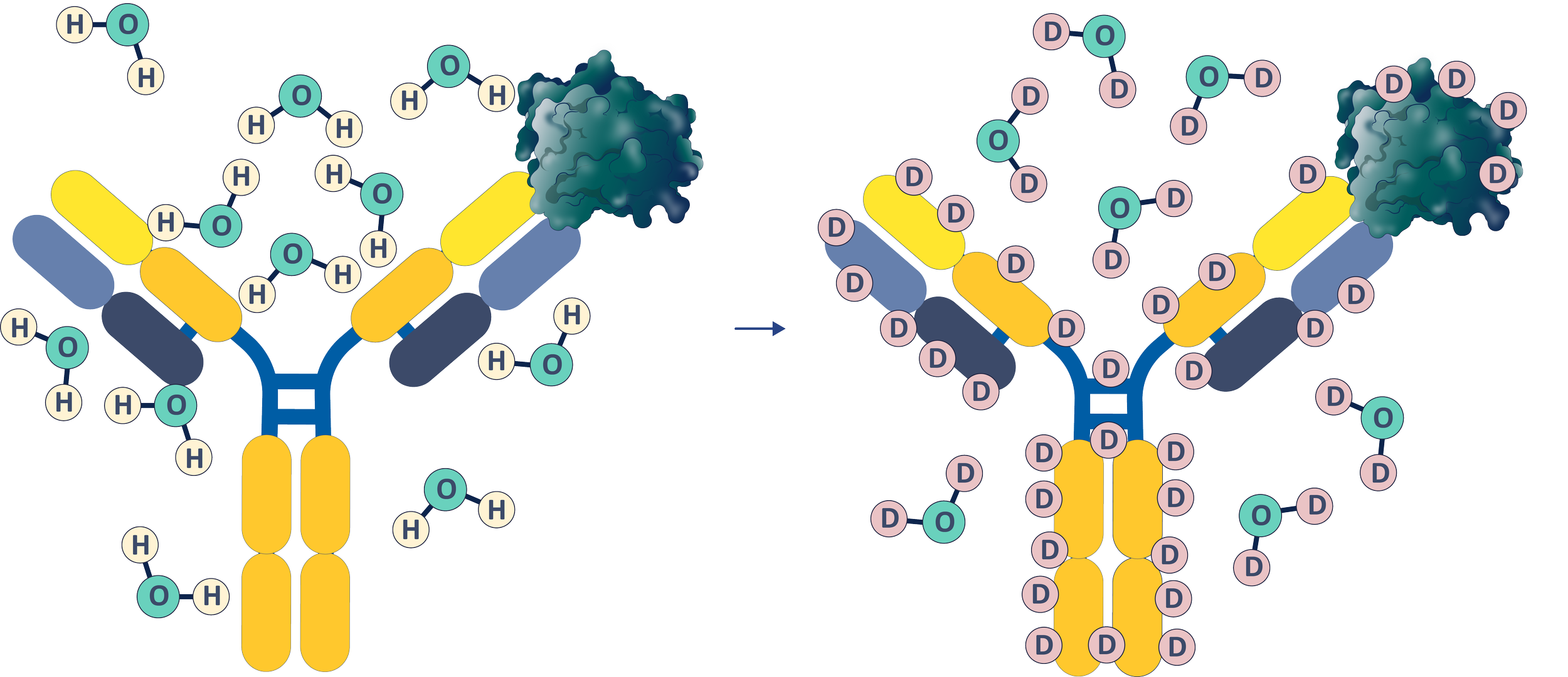
HDX-MS antibody structure with hydrogen and deuterium labels

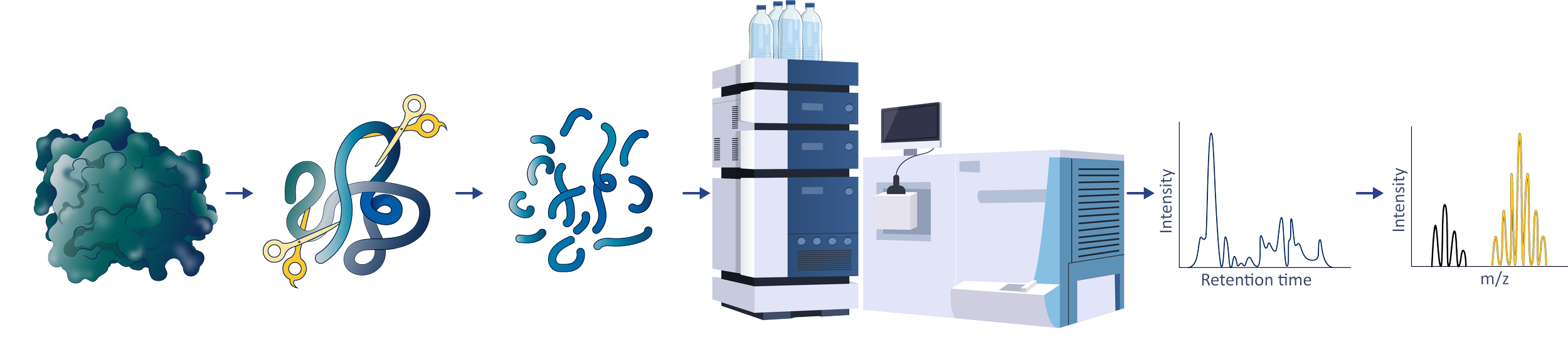
The HDX-MS Workflow

1
Deuterium
Labeling
2
Quench
& Digest
3
LC-MS/MS
Analysis
4
Data
Processing
5
Structural
Interpretation

Conformational Stability

Monitor higher-order structure changes across formulations, stress conditions, and manufacturing processes with quantitative deuterium uptake profiles.

Biosimilarity Assessment

Generate the higher-order structure comparability data required for biosimilar regulatory submissions with validated, reproducible methods.

Binding Interfaces

Characterize protein-protein, protein-ligand, and multi-component binding surfaces to support mechanism-of-action studies and formulation development.

Comparability Studies

Detect higher-order structure changes across manufacturing process changes, site transfers, and lot-to-lot variation with quantitative HDX-MS comparisons.

Forced Degradation

Evaluate the structural impact of thermal, oxidative, and pH stress on higher-order structure to identify degradation-sensitive regions and inform stability programs.

Formulation Development

Screen formulation candidates by monitoring HOS changes across buffer, excipient, and concentration conditions to select optimal formulations early.

Mechanism of Action

Map conformational changes upon ligand binding, receptor engagement, or allosteric modulation to support MoA characterization and rational drug design.
The Baselayer Advantage

We combine the scientific rigor of a large CRO with the speed and flexibility of a dedicated specialist lab. Here's what sets us apart.

Works with Limited Material

HDX-MS studies operate in the hundreds-of-micrograms range. We optimize protocols to minimize sample consumption, making structural data accessible even when material is limited.

Agile & Responsive

Work directly with the scientists running your experiments. No project managers in between — fast decisions, fast turnaround, and full transparency.

Regulatory-Grade Data

Submission-ready data packages for IND, BLA, IMPD, and biosimilar filings. Full method documentation, validated workflows, and audit-ready records.

Multi-Platform MS

Five mass spectrometers across Thermo, Waters, Bruker, and SCIEX platforms. Choose the right instrument for your specific analytical challenge.

Publication-Quality Reports

Every deliverable is designed for regulatory submission or peer-reviewed publication — clear figures, complete methods, and rigorous statistical analysis.

Flexible Study Design

No rigid service menus. We design custom protocols tailored to your molecule, your questions, and your regulatory pathway.

Broad Modality Experience

From monoclonal antibodies and ADCs to bispecifics, fusion proteins, nanobodies, and gene therapy vectors — we've characterized them all.

Rapid Turnaround

Projects start immediately upon receipt. No queue, no waiting. Most HDX-MS studies completed and reported within weeks, not months.

Structural certainty for critical decisions

When higher-order structure data drives your IND, BLA, IMPD, or biosimilar filing strategy, you need a partner with deep expertise in mass spectrometry-based structural analysis. Baselayer delivers publication-quality data with the rigor and documentation that regulatory agencies and development teams demand.

  • Submission-ready data packages formatted for IND, BLA, IMPD, and biosimilar filings worldwide
  • Efficient use of limited material — studies operate in the hundreds-of-micrograms range with protocols designed to minimize sample consumption
  • Direct access to the scientists running your experiments — no project management overhead
  • Full audit trail delivered with every study — SOPs, instrument logs, raw data, and processed results
  • Fast project starts — most studies begin within days of sample receipt and report within weeks
Deuterium Uptake Curve
0s 30s 5m 60m
2 peptides · 4 timepoints · peptide-level resolution
HDX Difference Map
Protected Deprotected
3 protected regions · epitope binding site localized
Peptide Coverage Map
94% sequence coverage · 847 peptides identified

Characterization across therapeutic modalities

Our team has hands-on experience with the full spectrum of biologic drug formats, from conventional mAbs through next-generation modalities.

Monoclonal Antibodies (mAbs) Bispecific Antibodies Antibody-Drug Conjugates (ADCs) Fusion Proteins Fc-Fusion Proteins Nanobodies / VHH Biosimilars PEGylated Proteins Enzyme Replacement Therapies Vaccines & VLPs Therapeutic Peptides Gene Therapy Vectors (AAV)

Comprehensive biologics characterization

From primary structure confirmation to higher-order structural analysis, our integrated platform covers the full spectrum of mass spectrometry-based characterization.

Peptide mapping via mass spectrometry
01

Peptide Mapping

Confirmation of primary sequence and comprehensive localization of post-translational modifications including oxidation, deamidation, and glycosylation sites.

  • Sequence confirmation
  • PTM identification
  • Site localization
HDX-MS antibody structure analysis
02

HDX-MS

High-resolution analysis of protein dynamics for epitope mapping, conformational stability, and localization of binding interfaces across therapeutic modalities.

  • Epitope mapping
  • Conformational analysis
  • Comparability
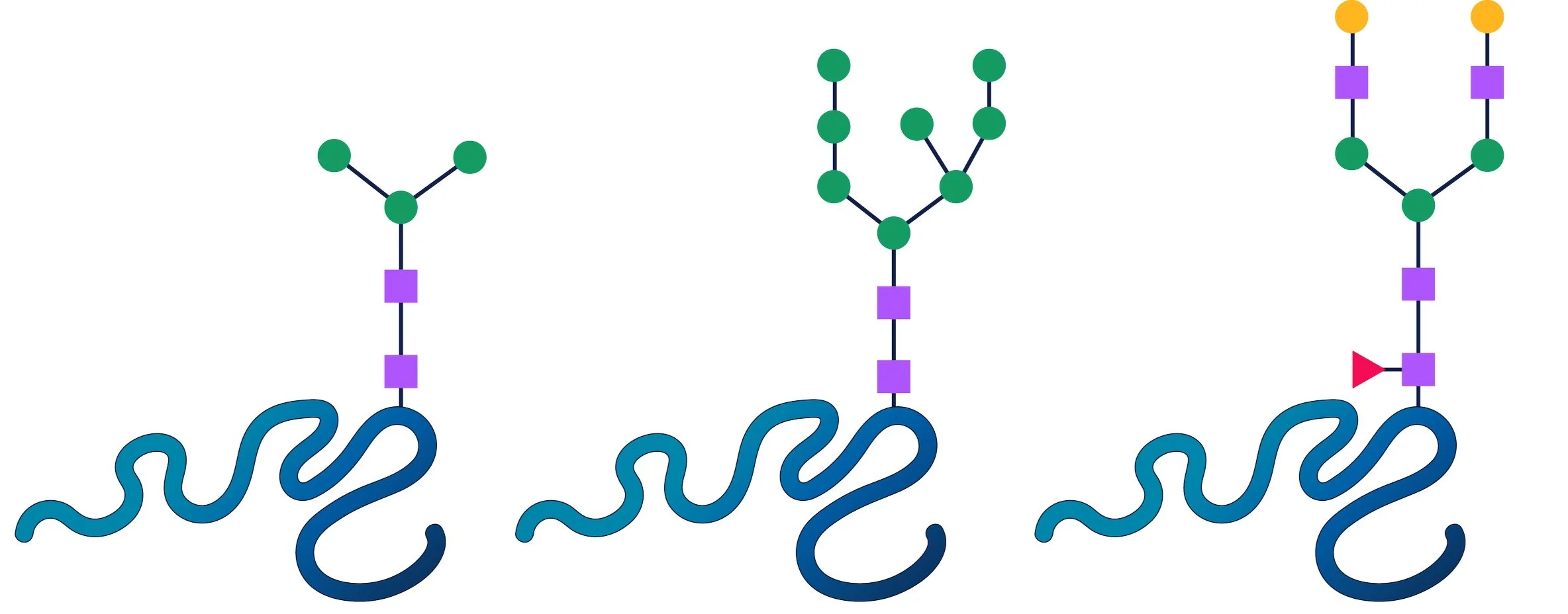
Glycan structures on peptide
03

Glyco-Profiling

Detailed glycosylation site identification, glycan structure characterization, and quantitative profiling to support lot-to-lot consistency and CQA monitoring.

  • N-/O-glycan analysis
  • Site occupancy
  • Quantitative profiling
Proteomics mass spectrometry workflow
04

Proteomics

Top-down and bottom-up mass spectrometry approaches for intact mass analysis, subunit characterization, and deep protein identification across complex matrices.

  • Top-down analysis
  • Bottom-up workflows
  • Intact mass
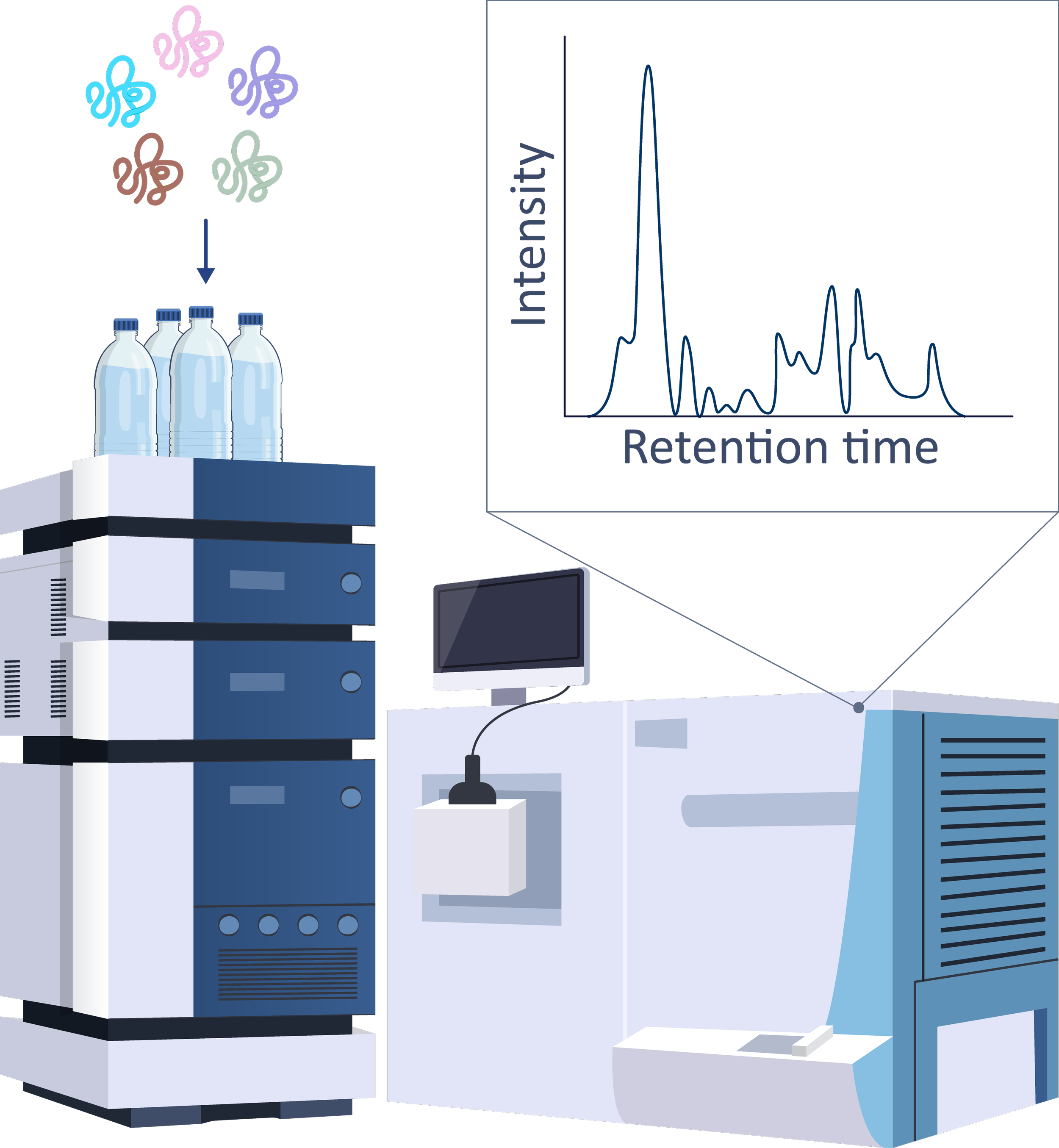
LC-MS laboratory equipment
05

Polyclonal Epitope Mapping

Proprietary HDX-MS workflow designed to resolve epitope diversity within polyclonal antibody responses — critical for vaccine and immunogenicity programs.

  • Immune response
  • Epitope diversity
  • Vaccine support

Not sure which service fits your program?

Our scientists will help design the right analytical strategy for your molecule and regulatory pathway.

Discuss Your Project

Multi-vendor mass spectrometry platform

Five high-resolution mass spectrometers across four vendor platforms give us the flexibility to match the right instrument to your analytical challenge.

Thermo Scientific

Orbitrap Ascend

High-resolution Orbitrap for intact mass, peptide mapping, and multi-attribute monitoring.

Thermo Scientific

Orbitrap Eclipse

Tribrid platform with advanced fragmentation for deep sequence characterization and PTM analysis.

Waters

Synapt G2-Si

Q-TOF with ion mobility separation for high-resolution HDX-MS and conformational analysis.

Bruker

timsTOF

Trapped ion mobility platform for enhanced peptide coverage and isomer resolution.

SCIEX

TripleTOF 5600

High-speed accurate mass instrument for quantitative workflows and broad peptide identification.

Software & Data Analysis

PMI Byos PMI Byologic Skyline HD Examiner BioPharma Finder MassLynx Sciex Analyst

Scientists who understand your molecule

Our team combines deep expertise in mass spectrometry, structural biology, and biopharmaceutical development. Every project is led by experienced scientists who understand the science and the regulatory context.

CV

Clint Vorauer, PhD

Chief Executive Officer

Specialist in HDX-MS and structural mass spectrometry with extensive experience in biologics characterization for pharma and biotech development programs.

CM

Charlie Mundorff, PhD

Chief Scientist

Expert in structural mass spectrometry and protein biophysics with deep experience designing and executing HDX-MS studies for biopharma clients.

CT

Chris Tannock, MS

Chief Engineer

Leads instrument development and laboratory infrastructure. Specialist in mass spectrometry systems integration, HDX automation, and analytical workflow engineering.

Ready to resolve the structure?

Tell us about your molecule, your timeline, and your regulatory context. We'll design a characterization strategy that delivers the data you need.